Beyond the Basics of LEDs - A Technical Exploration | Bright Bird
Unveiling the LED: A Look Inside
An LED, or Light-Emitting Diode, is a semiconductor device that converts electricity into light. Unlike traditional incandescent bulbs that use heat to generate illumination, LEDs rely on a phenomenon called electroluminescence.
Here's a breakdown of the key internal components:
Semiconductor P-N Junction: The heart of the LED lies in the P-N junction, formed by combining two doped semiconductor materials - a P-type (positive) and an N-type (negative). This creates a depletion region where electrons and holes (absence of electrons) are scarce.
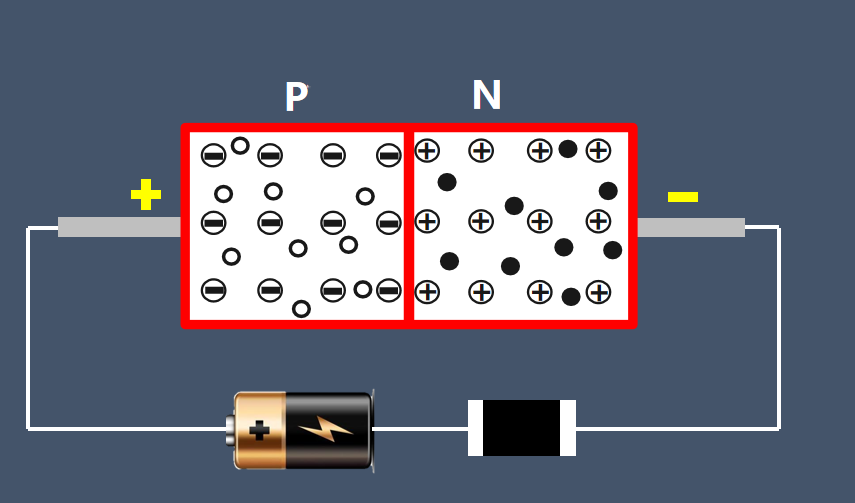
Electrical Contacts: An anode (positive) and a cathode (negative) contact are attached to the P and N regions, respectively, allowing for electrical current to flow through the junction.
Light Emitting Layer: When a forward bias voltage is applied (positive to anode, negative to cathode), electrons from the N-type region recombine with holes in the P-type region. This releases energy in the form of photons, generating light with a specific wavelength (color).
The Science Behind the Light: Technical Specifications of LEDs
Understanding the technical specifications of LEDs is crucial for selecting the right light for the job. Here are some key parameters to consider:
Forward Voltage (Vf): The minimum voltage required to turn on the LED and initiate light emission.
Forward Current (If): The electrical current flowing through the LED during operation, impacting brightness and heat generation.
Luminous Flux (Lumens): The total amount of visible light emitted by the LED, essentially measuring its perceived brightness.
Luminous Efficacy (lm/W): A measure of the LED's efficiency in converting electrical power into visible light. Higher values indicate better efficiency.
Color Temperature (CCT): Measured in Kelvins (K), CCT indicates the color of the light emitted by the LED. Warm white LEDs have a lower CCT, while cool white LEDs have a higher CCT.
Color Rendering Index (CRI): This index represents the accuracy of color reproduction under the LED light compared to a natural light source. A higher CRI indicates better color fidelity.
Bright Bird: Engineering Illumination for You
We leverage our understanding of LED technology to develop high-performance work lights. We use premium materials and cutting-edge engineering to optimize these parameters, ensuring our work lights deliver exceptional:
Brightness: Our lights provide ample illumination for any task, meeting the specific needs of professional environments.
Efficiency: We prioritize energy-efficient LEDs, reducing operational costs and environmental impact.
Color Accuracy: Depending on the application, we offer LEDs with various color temperatures and CRI ratings to ensure accurate color perception.
Durability: Our LEDs boast a long lifespan, minimizing replacements and maintenance downtime.
Beyond the Basics: Exploring the Future of LEDs
The world of LEDs is constantly evolving. Bright Bird is at the forefront of this innovation, exploring advancements in:
Miniaturization: LEDs are becoming smaller and more powerful, opening doors for new lighting applications.
Organic LEDs (OLEDs): OLED technology offers unique advantages like flexibility and self-illumination, paving the way for exciting lighting possibilities.
Smart LEDs: LEDs integrated with smart controls allow for dimming, color tuning, and remote management, creating dynamic lighting solutions.
By staying at the forefront of LED technology, Bright Bird remains your trusted partner in illumination.
Conclusion: LEDs - More Than Just a Light Bulb
LEDs are far more than just a replacement for traditional light sources. They represent a technological marvel that continues to revolutionize the lighting industry. By understanding the technical aspects of LEDs, you can make informed decisions about lighting solutions that enhance your work environment and contribute to a sustainable future.
We invite you to explore our website to discover how Bright Bird's LED work lights can illuminate your path to success. Let Bright Bird be your guide to the future of intelligent illumination.

Email: info@bright-bird.com
Phone: +86 18058512906
Address: 5/F, Building 11, Ecommerce City, No.5000 Jichang Road, Hai Shu District, Ningbo City, China