Monocrystalline vs. Polycrystalline Solar Panels | Bright Bird
Crystal Clear Differences: Production Process
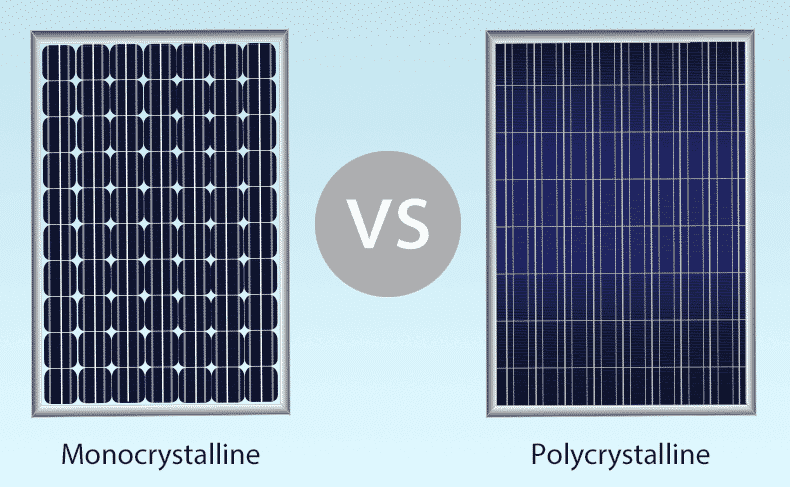
Monocrystalline: Imagine a glistening, cylindrical silicon ingot. Monocrystalline panels are crafted from a single, pure silicon crystal grown under controlled conditions. This meticulous process results in a highly organized atomic structure.
Polycrystalline: Here, things get a bit more, well, fragmented. Polycrystalline panels utilize silicon fragments melted together. While less organized than monocrystalline silicon, it's a more cost-effective approach.
Aesthetics: Looks Can Be Deceiving
Monocrystalline: A sleek, uniform black appearance. Monocrystalline panels boast a clean aesthetic due to the single-crystal structure.
Polycrystalline: These panels typically have a blue hue with a speckled appearance, reflecting the multiple silicon fragments within.
Efficiency: Power Under the Sun
This is where the real distinction lies:
Monocrystalline: Champions in efficiency, monocrystalline panels can convert 15-22% of sunlight into electricity. Their ordered structure allows for smoother electron flow.
Polycrystalline: While still capable, polycrystalline panels offer a slightly lower efficiency range of 13-16%. The fragmented structure creates some resistance to electron movement.
Lifespan: A Long-Term Commitment
Both panel types are built to last, typically lasting 25 years or more. However, some factors can influence lifespan:
Monocrystalline: Due to their superior quality, monocrystalline panels might experience slightly less degradation over time, potentially extending their lifespan a few extra years.
Polycrystalline: While slightly less durable, polycrystalline panels still offer a remarkable lifespan, making them a reliable choice.
Cost: Balancing Budget and Needs
Monocrystalline: The higher efficiency and potentially longer lifespan come at a premium. Monocrystalline panels are generally more expensive than their polycrystalline counterparts.
Polycrystalline: As the more affordable option, polycrystalline panels are a budget-friendly choice, especially for projects requiring a large number of panels.
So, which panel reigns supreme? It depends! Here's a quick guide:
Prioritize efficiency and aesthetics? Monocrystalline is your champion.
Working with a tight budget? Polycrystalline offers excellent value.
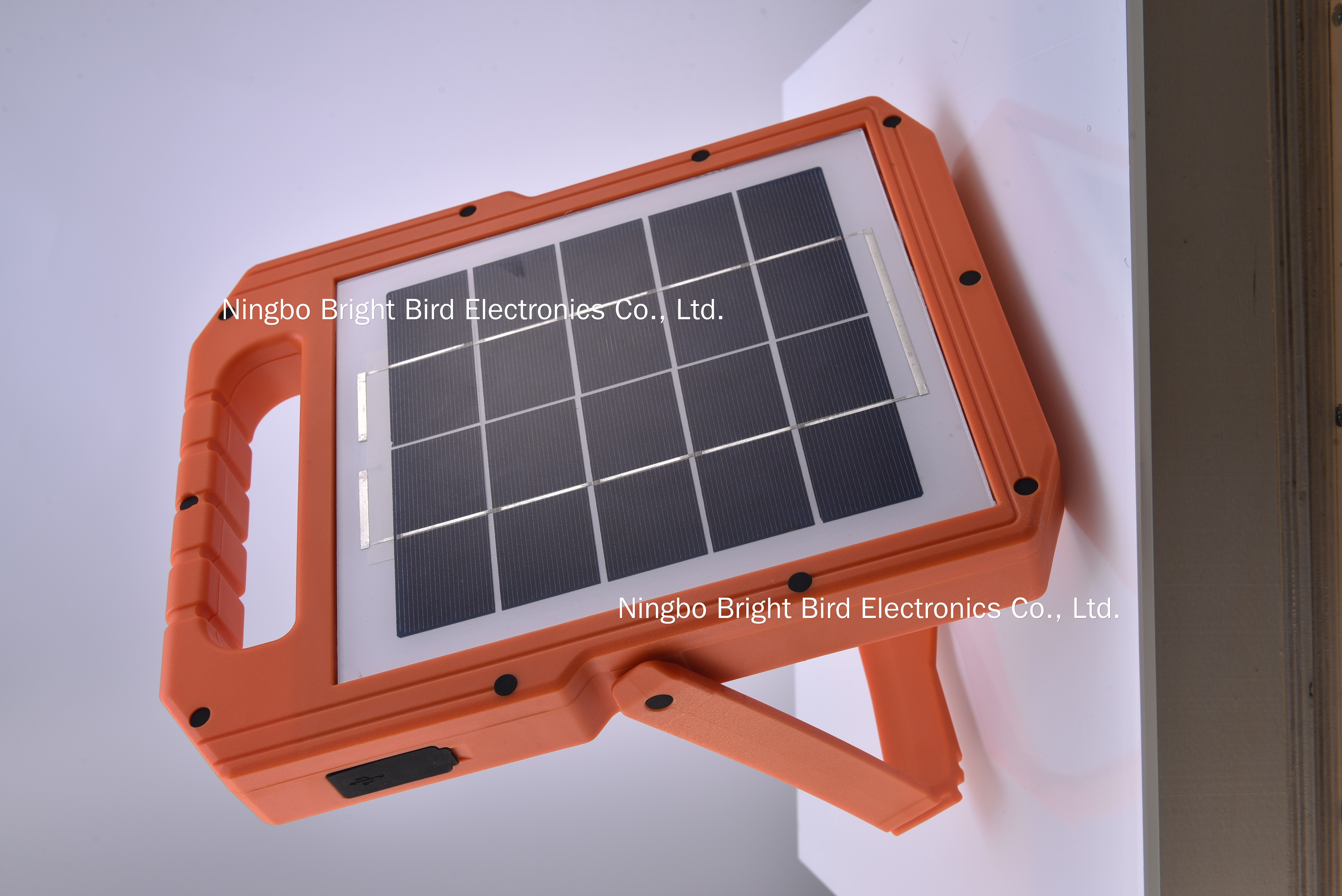
Bright Bird offers high-quality solar work lights equipped with monocrystalline solar panels, such as "BB-17151", "BB-17164", "BB-17167-A", "BB-17167-B", and "BB-17171". We're happy to discuss your specific needs and recommend the best option for your project.
Believe In & Cooperate with Bright Bird
By understanding the nuances of monocrystalline and polycrystalline panels, you can confidently advise your customers and ensure they harness the power of the sun effectively. With Bright Bird's commitment to quality and expertise, let's illuminate the path to a brighter, more sustainable future, together.

Email: info@bright-bird.com
Phone: +86 18058512906
Address: 5/F, Building 11, Ecommerce City, No.5000 Jichang Road, Hai Shu District, Ningbo City, China